
1st CMC Joint Replacement for Thumb Arthritis
A Modern Surgical Option for Basal Thumb Arthritis
Anthony Cheng — Orthopaedic Surgeon
■

Introduction
■
Advanced Treatment for Basal Thumb Arthritis
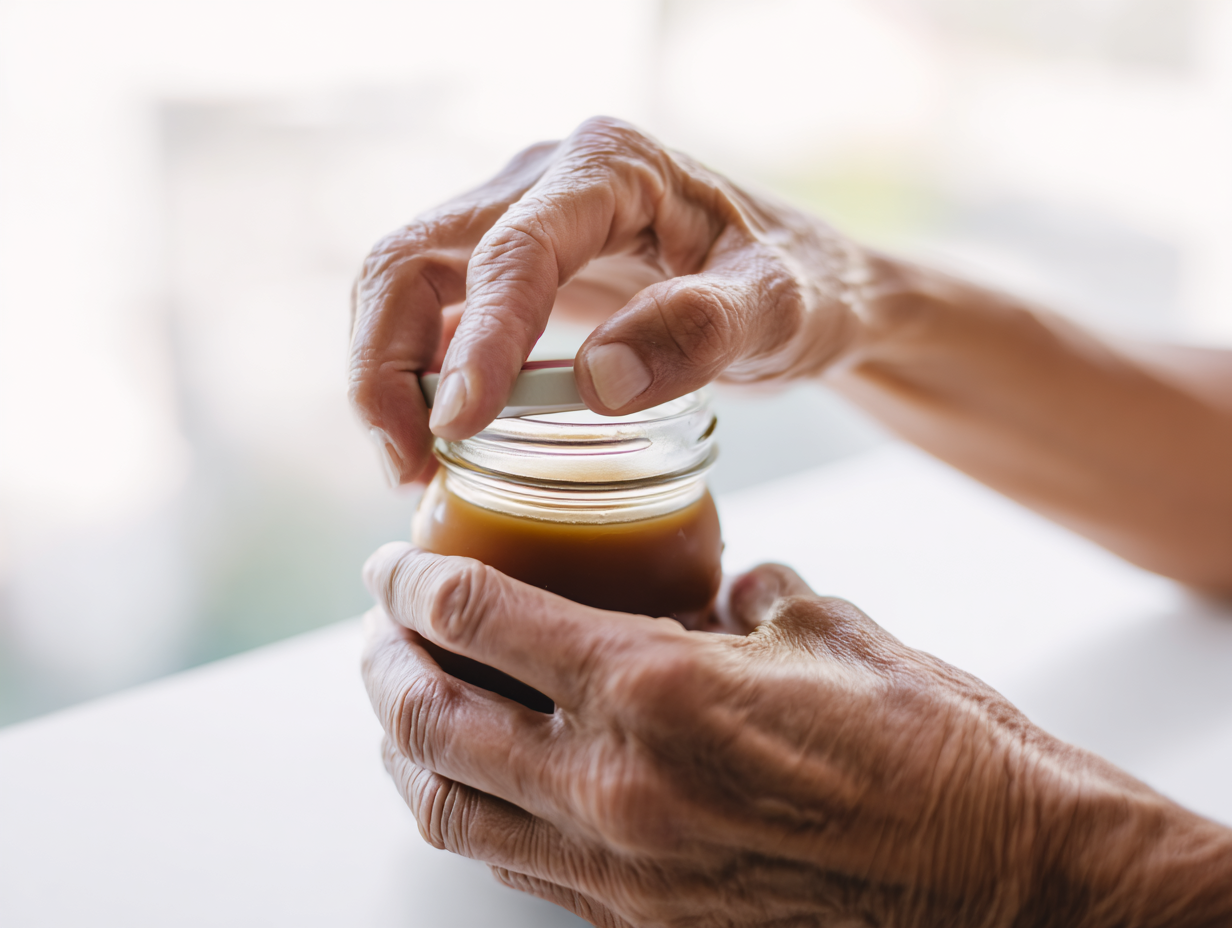
Thumb arthritis (also known as basal thumb arthritis or 1st CMC joint arthritis) is one of the most common causes of hand pain, particularly in women. Once established, it can lead to persistent pain, deformity and reduced grip strength — especially with tasks such as opening jars, turning keys, or pinching.
For many years, the standard surgical treatment involved removing the trapezium bone. While effective for pain relief, some patients feel their thumb is weaker or different afterwards.
In addition to traditional surgery, Anthony is now offering 1st CMC joint replacement as an option for carefully selected patients. Anthony has performed a large number of 1st CMCJ replacement surgeries in New Zealand and visited the leading institute in France for this treatment.
What This Procedure Involves
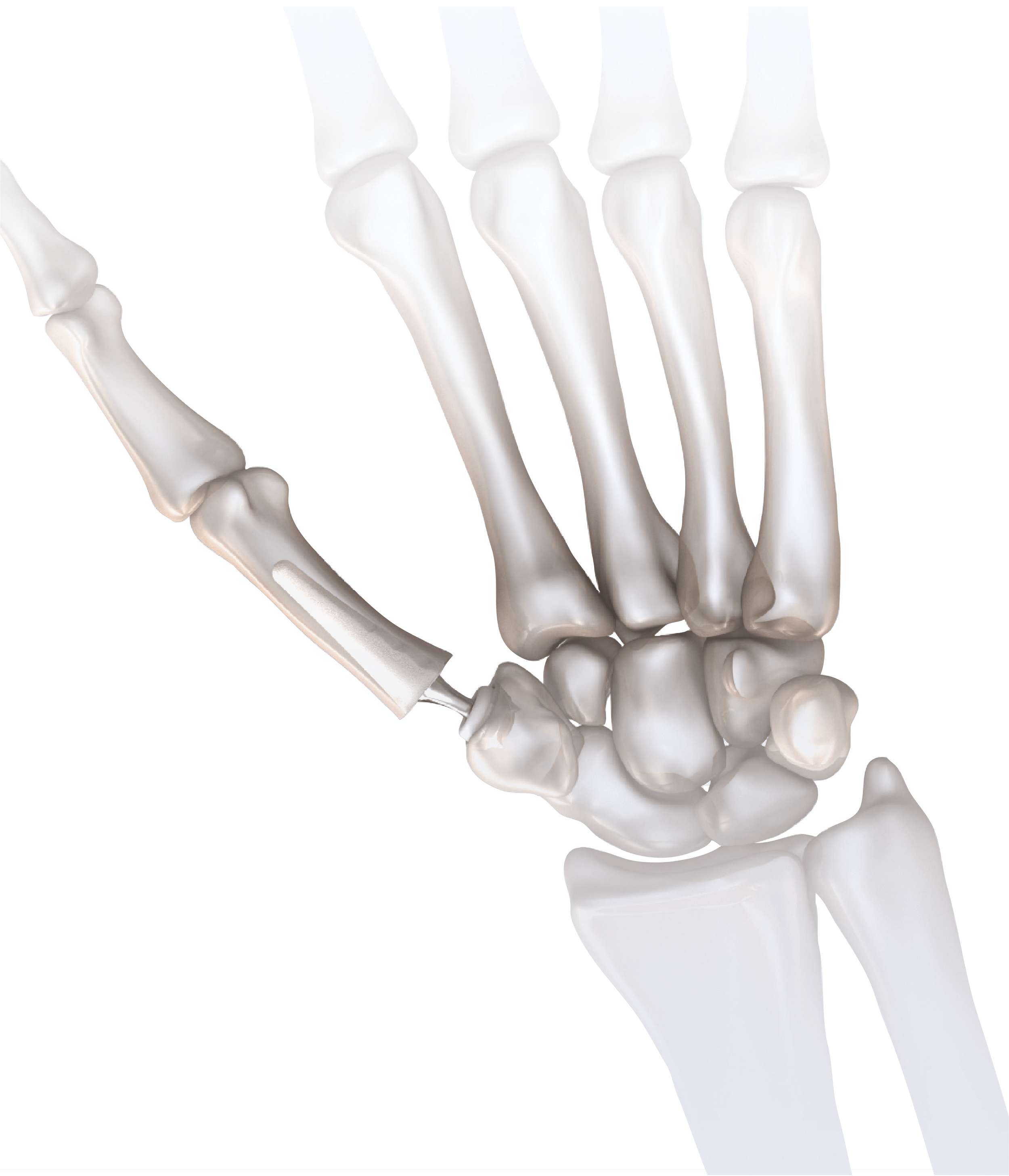
A 1st CMC joint replacement replaces the worn thumb base joint with a small prosthetic ball-and-socket implant.
It is typically day surgery.
Surgery is performed through a small incision at the base of the thumb, usually under a light general anaesthetic and regional anaesthesia (numbing the arm).
Unlike traditional surgery, the trapezium bone is preserved. The implant sits within the trapezium and the base of the first metacarpal.
The design is based on principles used in larger joint replacements and has been performed in Europe for many years with encouraging long-term results.
-
The old standard operation for advanced thumb arthritis was a trapeziectomy, where the trapezium bone is removed and the thumb stabilised using tendon tissue.
Joint replacement differs in that it:
Preserves the trapezium
Less post-operative pain
Restores thumb alignment and height
Allows for earlier movement with a shorter recovery
Aims to provide a more “normal-feeling” thumb with improved grip and pinch strength
-
This procedure may be appropriate for patients who:
Have moderate to severe 1st CMC joint arthritis
Continue to experience pain despite non-surgical treatment
Wish to maintain thumb strength and function
It may not be suitable in cases of severe bone loss or poor bone quality, significant deformity, arthritis affecting multiple joints.
A detailed assessment and imaging are required to determine suitability.
-
All surgery carries small risks. These may include a risk of infection, stiffness, implant loosening or fracture, dislocation, or persistent pain.
Long-term European studies have now reported excellent long term clinical outcomes. With any joint replacement, revision surgery may occasionally be required in the future.
A balanced discussion of risks, benefits and alternatives is an important part of the decision-making process.
-
The thumb is protected in a dressing and then a splint
Gentle movement begins early
Strength and function gradually return over several weeks
Heavier activity is usually resumed around three months
Recovery is generally quicker than traditional trapeziectomy, although healing times vary between individuals.

Why Anthony offers this technique
Thumb arthritis can be profoundly limiting.
While trapeziectomy remains an excellent and reliable procedure, joint replacement offers a valuable alternative for carefully selected patients — particularly those seeking to preserve strength, thumb length and more natural movement.
Anthony has undertaken additional training in this technique, including visiting leading European centres where this procedure has been performed for many years. His aim is to offer patients the full spectrum of evidence-based options, tailored to their individual needs and lifestyle.
The decision is never one-size-fits-all.

Comparing Your Surgical Options
Feature
Trapeziectomy
Joint Replacement
Bone removal
Yes
No
More normal thumb and grip strength
No
Yes
Recovery speed
Moderate
Often faster
Long-term data
Extensive
Strong European data